
Ice Packs vs Ice Bags: What’s Best for Road Trips?

Keeping your food and drinks icy cold can make or break a road trip, but should you use ice packs or ice bags? Nobody wants soggy sandwiches or lukewarm sodas after hours on the road.
Whether cruising through National Parks or mapping out a cross-country adventure, the debate between ice packs and ice bags is worth tackling.
From my experiences journeying through all 50 states, I’d say both options have their merits, but the choice often comes down to practicality and the specifics of your trip. In other words, there is no “right” answer!
Ready to find out which one’s the ultimate road trip cooler companion? Let’s dive in.
The Importance of Keeping Cool on Road Trips
On a road trip, keeping your cooler cold isn’t just about convenience—it’s about safety and comfort.
Whether packing snacks for a family adventure or loading up beverages for a scenic drive, maintaining the right temperatures can make all the difference.
Let’s break down why keeping things cool really matters.

Preventing Food Spoilage
You’ve probably heard the phrase “keep it cool,” but this becomes literal when it comes to road trip food.
Perishable items like deli meats, dairy, or cut fruit can spoil quickly if they’re not kept at the proper temperature—below 40°F (4°C) to be exact.
Letting these items linger in unsafe conditions opens the door to foodborne illnesses, which can quickly ruin even the most meticulously planned trip.
Think of it this way: No one wants to swap a National Park hike for a bathroom emergency.
You need to keep food cold on a road trip, so what’s the best way to achieve that? Your first line of defense is a well-packed cooler stocked with ice packs or ice bags.
For a deeper dive into packing strategies that keep snacks fresh, don’t miss my post on Fast and Easy Snacks and Recipes for Road Trips.
The best way to pack a cooler:
- Use separate compartments or zipper bags for raw and cooked foods to prevent cross-contamination.
- Keep your ice replenished, especially during longer trips.
- Store your cooler in the shade or wrap it in a blanket to insulate against hot car interiors.
Keeping your food at safe temperatures ensures that every bite you enjoy along the way is as delightful as the memories you’re creating.
Maintaining Beverage Temperatures
Let’s talk drinks—because what’s a road trip without an ice-cold soda or refreshing bottle of water?
The temperature of your drinks isn’t just about taste (though no one likes warm Gatorade). Staying hydrated is essential, especially if you’re venturing into warm climates like the deserts of Arizona or humid southern states.
When beverages remain crisp and cold, you’re more likely to drink them regularly, helping stave off dehydration.

And don’t forget—hydration directly impacts your energy levels and focus, which are critical whether you’re behind the wheel or exploring trails.
A trick I’ve picked up in my travels across all 50 states?
Freeze some of your bottled water the night before. They’ll keep your cooler cold and act as backup drinks once they thaw. (I know, I know, freezing the plastic water bottle isn’t the safest idea, but we’ll all die eventually.)
For camping or adventure-heavy trips, you might also want to keep a mix of electrolyte replacements handy. Cold options like coconut water or sports drinks can help replenish your body after long hikes or hours under the sun.
If you’re planning a camping trip, check out my tips in Road Trip Camping: Ultimate Guide for Adventure Seekers.
Pack every drink with staying cool in mind. From insulating sleeves for bottles to rotating freezer packs in your cooler, these little efforts go a long way toward a refreshing sip every time.
Ice Bags: The Classic Choice
Ice bags are a quintessential addition to road trips and outdoor adventures.
Whether you’re prepping for a long cross-country drive or heading to a weekend barbecue, chances are these are readily available wherever you stop.
Let’s break down their advantages, challenges, and tips so you can get the most out of the classic ice bag.
Pros of Ice Bags
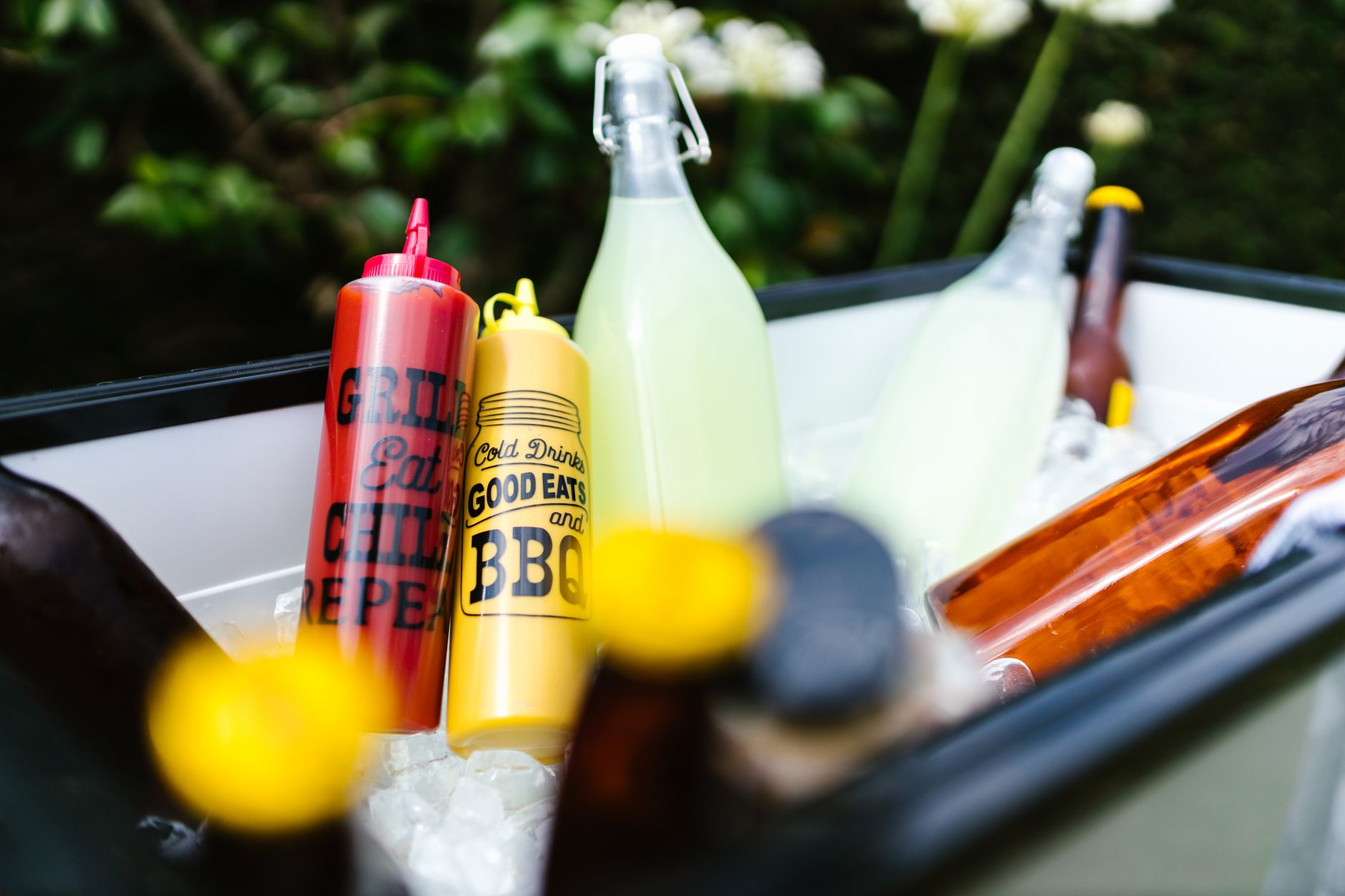
Photo by RDNE Stock project.
Ice bags have earned their reputation as a classic choice for several reasons:
- Cost-friendly: They’re generally easier on the wallet compared to reusable ice packs. Need to refill along your trip? Restocking is as simple as stopping at a gas station or convenience store.
- Rapid cooling: Ice bags work quickly to lower the temperature of your cooler, ensuring drinks are frosty and perishables stay fresh.
- Dual use after melting: Once the ice melts, you’ve got clean water ready to hydrate, rinse hands, or even extinguish a campsite fire. Talk about multitasking!
Ice bags can be a carefree choice if you plan a themed road trip, like exploring Ohio’s covered bridges or the most haunted roads in America.
Cons of Ice Bags
Despite their perks, ice bags come with some caveats:
- Fast melting: Especially in warm weather, bags of ice can disappear quicker than an ice cream cone on a hot day. If you’re not replenishing regularly, you’ll notice cooler temperatures drop.
- Water everywhere: As the ice melts, it often leaves behind pools of water. Without proper drainage, you’ll end up with soggy snacks and soaked cooler bottoms—neither of which is ideal.
- Potential leaks: Thin supermarket ice bags are notorious for puncturing. Those tiny leaks often mean everything in the cooler grabs a wet layer. Sealed packaging for food and drinks becomes essential.
- Extra maintenance: Between emptying out water and replenishing the ice, caring for your cooler becomes a full-time job during long road trips.
These downsides might sway you toward alternatives, but knowing solutions to common ice bag problems can make them work better for your trip.
Tips for Using Ice Bags Effectively
To maximize the efficiency of your ice bags, here are some tested-on-the-road tips:
- Opt for durable ice bags: Look for heavy-duty bags designed specifically for coolers to avoid leaks or tears.
- Double bag for protection: Place the ice bags inside an extra liner to contain any unforeseen leaks.
- Strategically pack the cooler: Contrary to logic, putting ice on top rather than the bottom ensures cold air trickles down, enveloping your contents in cool bliss.
- Drain regularly: Don’t let pools of water sit in your cooler. Draining melted ice keeps everything from getting waterlogged.
- Try saltwater ice: Freezing salted water creates ice with a lower melting point, meaning it stays cooler longer.

Remember that keeping things chilled is as much about strategy as it is about cooling materials. For additional road trip hacks, check out my post on How to Make Road Trips Fun: Travel Tips & Tricks.
With just a few straightforward adjustments, ice bags can hold their place as a road trip essential.
Ice Packs: The Reusable Option
For road trippers looking for a more efficient and reusable solution to keep their coolers icy cold, ice packs are a smart alternative.
Unlike the more traditional ice bags, ice packs can often outperform in longevity and cleanliness, while being available in a variety of shapes and sizes to fit different cooler needs.
Let’s unpack all the pros, cons, types, and tips for getting the most out of these nifty cold keepers.
Pros of Ice Packs
Ice packs bring a lot to the table when it comes to convenience. Many seasoned travelers (yes, including my countless road trips across all 50 states) swear by their reliability for a mess-free experience.

Some undeniable perks include:
- Reusable and durable: Forget constantly buying bags of ice. A solid set of ice packs can last for years if taken care of.
- Less mess, no puddles: Unlike melting ice, reusable packs don’t leave behind a soggy swamp at the bottom of your cooler.
- Longer-lasting chill: Depending on the brand and material, ice packs often outlast their bagged counterparts, keeping your contents colder for an extended period.
- Sizes and shapes galore: Whether you’re trying to chill a bottle of wine for a celebratory toast or cool an entire cooler filled with sandwiches and drinks, you’ll find ice packs tailored for the job.
And, since many options are eco-friendly, they’re not just a win for your cooler but for the planet, too.
Cons of Ice Packs
However, nothing is perfect. Ice packs come with their own quirks that might make you think twice depending on your needs.
Here are a few potential downsides:
- Upfront cost: While reusable, ice packs often require an initial investment. High-quality ones, like YETI or Cooler Shock, can be pricier than simply grabbing a bag of ice.
- Freezing time: Don’t forget—they need to be fully frozen before hitting the road, so last-minute planners might find themselves stuck. Plus, hotel freezers don’t always get cold enough to freeze.
- Damage risks: If an ice pack punctures, the contents can leak and potentially contaminate your food. Leak-proof containers become crucial for peace of mind.
- Specific materials: Some contain gels or dense liquids that are more effective than plain water. These need even more careful handling to avoid spills or leaks.
Always invest in high-quality, durable ice packs to limit these risks, and use a second layer of protection, like a sealed plastic bag.
Looking for some top-rated brands? Check out this curated list of best ice packs for coolers.
Types of Ice Packs
Not all ice packs are created equal. Depending on your trip’s needs, you’ll want to choose the right type to maximize performance. Here’s a quick guide to the most common options:
Gel Packs: These are filled with a gel substance that stays colder longer than ice. They’re highly effective for preserving low temperatures, especially for long trips. Great for those desert excursions or multi-day hikes in National Parks.
Water-Filled Packs: The most basic option—they look like small pillows full of water. While cost-effective, they tend not to be as efficient as gel varieties.
Chemical Ice Packs: These often use a mix of chemicals that react when frozen to remain colder than the standard alternatives. They’re perfect for extreme cooling needs but require extra care to avoid leaks.
When selecting, consider your priorities—are you cooling perishables or just looking for convenience?
Want to understand more about how cooler organization impacts your trip? Don’t miss my post on Spring Break Packing for National Park Road Trips.
Tips for Using Ice Packs Effectively
Ensuring your ice packs work their magic isn’t rocket science, but a bit of preparation can make a world of difference. Here are my tried-and-true tips from years of road tripping:
- Pre-freeze completely: An ice pack that’s only half-frozen won’t deliver the icy performance you need. Aim to freeze them overnight before packing.
- Pack efficiently: Place ice packs strategically—on top of perishables, along the sides, or at the bottom depending on your cooler’s design. Cold air sinks, so layering counts!
- Avoid sunlight: Keep the cooler and ice packs out of direct sunlight to preserve their cooling power. If you’re in scorching conditions, wrap the cooler with a light-colored towel or blanket.
- Organize with intent: Use different containers for food and drinks to make every grab easier. This also minimizes how long the cooler stays open, keeping the temperature low.
Utilizing these techniques can stretch the cold life of your ice packs and keep your cooler organized—saving you both time and energy.
Side-by-Side Comparison: Ice Bags vs. Ice Packs
When it comes to road trips, especially with long days on the road, nothing beats a properly chilled cooler to keep your snacks and drinks fresh.
You’ve probably asked yourself: Should I be loading up on bags of ice from the gas station, or are reusable ice packs a better bet?
Let’s break this down by some key factors so you can decide which cooling method fits your travel style.
Cooling Duration: How long each option keeps items cold

Photo by Tima Miroshnichenko.
One of the biggest make-or-break factors is how long your cooler stays frosty.
- Ice bags: While traditional ice bags cool quickly, they tend to melt faster—especially in hot weather. You’re looking at needing replacements every 12-24 hours unless your cooler is heavily insulated or you’re covering it with an extra layer like a towel or reflective blanket. As the ice melts, the water left behind stays cold, which helps to an extent, but it won’t keep that brisk chill for very long.
- Ice packs: On the other hand, reusable ice packs are designed for longevity, often staying cold for 24-48 hours or more, depending on the brand and built-in materials. Gel-based packs especially hold their chill longer than water-based packs or ice cubes. So if you’re heading to a place like the Grand Canyon or Great Smoky Mountains, these packs are the steady performers you’ll want in your gear.
Cost-Effectiveness: Upfront cost vs. long-term savings
Budget considerations are always top of mind when packing for road trips. Let’s talk dollars and cents.
- Initial cost: Ice bags are easily the most affordable option upfront. You can grab a bag of ice for a couple of bucks at any gas station or convenience store. However, these costs can snowball over the course of a long trip.
- Long-term savings: Ice packs, while requiring a higher initial investment ($10-$30 on average for good quality ones), can save you money down the road. After all, they’re reusable. If you’re a frequent traveler exploring places like Valley of Fire State Park or driving coast-to-coast, investing in these can add up to significant savings over time.
Still on the fence? If you want a detailed take on how ice packs compare to other alternatives, consider reading Gel Ice Packs vs. Ice Cubes — Pros & Cons.

Convenience: Ease of use, availability, and cleanup
On a road trip, the last thing you want is extra hassle when it comes to chilling your cooler.
- Ice bags: Convenience is where ice bags shine the brightest. They’re easy to find, widely available across the U.S., and require minimal prep—just tear open the bag and toss the ice in. However, as the ice melts, you’ll have to contend with draining the water (and potentially soggy food if you haven’t packed it right).
- Ice packs: Ice packs demand a little advance planning since they need to be frozen solid before use. But once packed, they’re mess-free—no pool of water to drain and no soggy sandwiches. They’re also compact and can be layered strategically in your cooler to maximize cold coverage.
If you plan a stop in a warm, sunny destination like Laughlin, Arizona, having a properly cooled cooler is essential.
Environmental Impact
Considering the environment is a part of planning any trip that might get overlooked. So which is better for the environment?
- Ice bags: Unfortunately, single-use plastic ice bags aren’t exactly eco-friendly. The plastic waste, coupled with their short lifespan, can add up quickly. And while melting ice becomes water, it doesn’t negate the environmental toll of producing and disposing of the plastic bags.
- Ice packs: Reusable ice packs take the lead here. They reduce plastic use significantly since you can use them across multiple trips, and many brands use non-toxic materials in their design. Some even offer biodegradable or recyclable options, so you can keep your carbon footprint lower while trekking through national parks or visiting state capitals.
For travelers like you, who care about preserving the beauty of our planet while adventuring through its wonders, reusable ice packs are a small but meaningful way to contribute.
Maximizing Cooler Efficiency for Both Ice Bags and Ice Packs
Keeping your cooler cold on a road trip takes more than simply throwing ice packs or bags in and calling it a day.
To maximize your cooler’s efficiency, a little prep and strategy can go a long way. Small, thoughtful adjustments can make your cooler an icy fortress.
Pre-Cooling Your Cooler: The Importance of Starting Cold
Let’s face it: a warm cooler is working against you from the start. Much like slipping into a pre-heated car fresh out of the sun, the warm interior of a cooler absorbs valuable chilling power from your ice.
That’s why pre-cooling your cooler before packing is non-negotiable.
Here’s how you can do it effectively:
- Place a few ice packs or bags of ice inside your cooler a couple of hours (or even the night before) to lower its internal temperature.
- Once it’s pre-chilled, toss the original ice and refill the cooler with fresh ice packs or bags as you load food and beverages. Bonus: This keeps your actual ice or packs lasting longer!
Think of it as creating a foundation for your cooler—you’re building a chill base to preserve everything else packed inside.
And if you’re heading to hotter destinations like Death Valley National Park, where cool drinks and food are non-negotiable, this step becomes even more important.

Proper Packing Techniques: How to Arrange Items for Optimal Cooling
Packing your cooler is a bit like solving a travel puzzle—you need a plan to ensure everything stays fresh.
The way you arrange your items can mean the difference between ice-cold drinks and sad, soggy sandwiches by midday.
Here’s what works best:
- Pack tightly: Air pockets are the enemy! Cold air can escape, and warm air creeps in where there’s extra space. By tightly arranging food and drinks, you limit airflow and keep everything colder for longer.
- Layer strategically: Place items you don’t need to access frequently, like frozen meat or long-lasting food, at the bottom. Drinks and snacks go on top for easy reach.
- Use separators: Keep raw and cooked foods in separate containers or resealable zipper bags to avoid contamination. Also, an organized cooler means less rummaging—you wouldn’t flip through a book backward, would you?
- Ice placement: Contrary to intuition, load ice (or ice packs) on top instead of the bottom. Cold air sinks, ensuring maximum coverage of everything underneath.
Packing expertise truly transforms your cooler into a portable fridge.
Insulating the Cooler: Blankets and Towels as Tools
Once your cooler is packed and ready to hit the road, consider an extra layer of defense against the blazing sun. The key? Simple items like blankets or towels can make a world of difference.
- Wrap the cooler: Throwing an insulated towel or lightweight blanket around your cooler creates a barrier to block external heat from seeping in. Think of it as giving your cooler sunscreen.
- Shade it whenever possible: If you’re parked or enjoying a roadside picnic, keep the cooler out of direct sunlight. Even a small bit of shade—like under a picnic table or in the car’s footwell—helps prolong ice life.
- Re-layer for extreme heat: Heading through high-temperature spots? Double up with reflective car sunshades to shield your cooler like a pro.
These small steps are especially useful on trips through warmer locations like Savannah, Georgia, in the summer or hot desert states.
Don’t underestimate how simple tweaks like extra insulation can save your road trip meals!

The Verdict: Which is Better for Your Road Trip?
When preparing for a road trip, the option between ice bags and ice packs really comes down to your specific needs, priorities, and the nature of your journey.
It’s a debate as old as the cooler itself—I’ve encountered both the beauty and pitfalls of each choice. Let’s break down their ideal uses to help you pick the one that best fits your adventure.
When to Choose Ice Bags
Ice bags are the go-to for those quick weekend getaways or spontaneous day trips where convenience and cost savings are at the top of your priority list. Here’s when they really shine:
- Shorter trips: If you’re out for a single-day trek or an overnight stay, ice bags are a perfect choice. They’re easy to grab anywhere—just stop by a gas station or grocery store.
- Budget-friendly travelers: Coming in as one of the most affordable cooling options, ice bags won’t break the bank. These are ideal for those spur-of-the-moment trips where expenses are adding up quickly.
- Convenience is key: For informal gatherings or casual plans where long-lasting cooling isn’t critical, ice bags are a lifesaver. Just load them up, and you’re good to go.
However, for those of you who’ve experienced the downside of melting ice making everything damp, you already know that ice bags come with a catch.
If you’re planning a quick road trip picnic or a pit stop, ice bags paired with proper container use can be a simple, reliable solution. Explore more road trip strategies with my tried-and-true trip planning tips and tricks.

When to Choose Ice Packs
Ice packs are best for road warriors venturing on multi-day journeys or those wanting to prioritize sustainability and organization. Here’s when they truly outshine ice bags:
- Extended travel: If you’re heading on a week-long road trip, ice packs will hold their chill much longer than traditional bags of ice. This can mean fewer stops to restock along the way.
- Eco-friendly choices: Reusable and long-lasting, ice packs cut down on single-use plastics—great for environmentally conscious travelers who want to leave nothing but footprints during their adventure.
- Mess-free convenience: No pools of melted ice water here! Ice packs keep your cooler dry, which is especially handy if you’re carrying prepped meals or want to avoid soggy sandwich bread.
One added perk? Ice packs come in various shapes and sizes, so you can customize your choice depending on what’s in your cooler.
Heading to a National Park or planning another epic trip? Check out my recipes for road trips for packaging meals that’ll stay fresh longer with a good set of ice packs.
Ultimately, the decision between ice bags and ice packs isn’t one-size-fits-all—it’s about aligning your cooler strategy with your road trip goals.
Whether you prioritize flexibility, eco-friendliness, or budget, there’s a cooling solution to match your perfect adventure.
Final Thoughts: Ice Packs vs. Ice Bags for Road Trips
When it comes to deciding between ice packs and ice bags for your road trip cooler, there’s no one-size-fits-all answer.
Both have unique strengths that cater to different travel styles. Ice bags are perfect for short trips or when you need something easily replenished on the go.
On the other hand, reusable ice packs shine for longer adventures, offering a mess-free and eco-friendly option.
Pick what aligns best with your journey. Whether you’re trekking through National Parks or taking a cross-country drive, the right cooler strategy makes all the difference.
And hey, if you’re still mapping out your trip, don’t miss my tips in Planning Epic Cross Country Road Trips in the US.
Remember, a well-packed cooler isn’t just about keeping things cold—it’s about making every stop along the way that much more enjoyable.
Related Posts:
The Best Coolers for Road Trips: Stay Cool on the Road
Adventure Planning: The Ultimate Step-By-Step Guide
Road Trip Safety Tips: Expert Guide to Road Trip Travel
20+ Road Trip Boredom Busters: Games and Activities
Slow Life Travel: Embracing a More Relaxed Way of Exploring
What Is Google My Maps and Why Travelers Should Use It
Pin this for later:
Choose the image(s) that resonate with you to pin to your travel board on Pinterest!


Did I miss something in this post? If you think something could enhance this guide, please share it in our Facebook group, US Road Trip Adventures! Your insights help make our travel resources better for everyone.
