
10 Road Trip Myths That Are Totally Wrong

Road trips are iconic, but also full of myths. If you’ve ever hesitated because of something you “heard” about hitting the open road, you’re not alone.
After exploring all 50 U.S. states, I’ve seen how often these road trip myths influence real adventure.
In this post, I’m debunking the most common misconceptions so you can plan smarter, save money, and enjoy every mile of your journey.

Myth: Road Trips Are Always Cheaper Than Flying
Reality: Road trips can save money, but not always.
It’s easy to assume road tripping is the budget-friendly choice. Just grab your car keys, skip the airfare, and hit the gas, right?
Not so fast. Once you factor in gas, food, hotels, tolls, and maintenance, driving isn’t always the cheapest option, especially for long distances.
The Hidden Costs of Driving
- Gas (which can vary widely by state)
- Overnight stays on multi-day drives
- Meals and snacks—especially if you’re dining out often
- Wear and tear on your vehicle
- Tolls and parking, especially near cities and national parks
If you’re traveling solo or heading cross-country, a budget airline may be faster and cheaper. But road trips still shine when you split costs with others, visit multiple stops, or travel during peak airfare seasons.
🧠 Pro Tip: Compare Costs
Use tools like the AAA Fuel Calculator or Kayak’s flight search to compare total expenses. Don’t just assume driving wins—crunch the numbers.
👉 Want to stretch your road trip budget further? Check out my guide to road trip camping for ways to save on lodging and meals without sacrificing the experience.

When Flying Is the Smarter Choice
If you’re only traveling a short distance, driving may still be cheaper, especially if you’re splitting costs with friends or family. But once you hit longer distances, the equation changes.
Cross-country drives rack up expenses so fast, that in many cases flying can save both money and time.
According to this thorough comparison by NerdWallet, driving slightly wins with short trips—but plane tickets become the thrifty pick as miles increase.
Myth: You Need Weeks Off to Have a Real Road Trip
Reality: Weekend getaways and short trips totally count.
We’ve all seen those dreamy, three-week road trip itineraries packed with national parks and cross-country drives. But here’s the truth: you don’t need to take weeks off work to have a meaningful road trip.
I’ve done everything from 10-day adventures to quick weekend escapes, and some of my best memories came from the shorter ones.
 Photo by William Hadley
Why Short Road Trips Work
- You can explore amazing spots just a few hours from home.
- Shorter trips mean easier planning and lower costs.
- You’ll stay energized and avoid road trip burnout.
- Quick getaways give you more chances to travel throughout the year.
The key is making the most of your time. Focus on one region or theme—like a waterfall hike weekend or a small-town food crawl. You’ll be surprised how refreshing even a 2-day trip can feel when it’s planned with intention.
Weekend or overnight escapes give you a chance to recharge and hit “reset,” without the mental exhaustion of organizing a month-long journey.
💡 Need inspiration? My themed road trip guide is packed with creative ideas for short getaways.

Road Tripping Isn’t One-Size-Fits-All
Every trip is unique. Whether you’ve got one day or one month, what matters is your willingness to hit the road.
My own experiences—spanning all 50 states—prove that quick escapes can be just as inspiring and memorable. Don’t let your calendar hold you back.
Grab your keys, map out a loop, and see just how much adventure you can fit into the time you have.
Myth: Only Rugged Adventurers Belong on the Open Road
Reality: Road trips are for everyone—not just campers and adrenaline junkies.
There’s a stereotype that road trips are only for people who love dirt roads, roughing it in tents, or scaling mountains.
But truthfully? Some of the best road trippers I’ve met are families in minivans, retirees in RVs, and solo travelers cruising in hybrids. You don’t need hiking boots or a rooftop tent to have a great time.

Make the Trip Fit You
- Prefer cozy hotels over campsites? Go for it.
- Love city stops, museums, and food tours? Plan your route around them.
- Want comfort? Bring snacks, a neck pillow, and download that podcast playlist.
The beauty of a road trip is that you get to set the pace, the vibe, and the stops. Whether your idea of adventure is a scenic drive or a local bakery hop, there’s room for all travel styles on the road.
Everyday People Make the Best Road Trippers
What I’ve learned traveling from coast to coast is that everyday people create the most memorable trips.
Grandparents taking grandkids to National Parks, young couples with a detailed coffee shop map, or best friends on a weekend getaway—these stories fill the highway as much as any mountain-climbing daredevil.
- Families plan routes to include playgrounds, splash pads, and hands-on museums.
- Retirees often opt for scenic byways and gentle strolls instead of grueling hikes.
- Solo travelers can stick to cities and roadside diners if off-grid living isn’t their thing.
Start to see the open road as a giant buffet. You can load up your plate with whatever fits your taste and mood. The freedom of the open road isn’t about toughness—it’s about choice.
What matters most is that you set out and see what’s ahead, in whatever way feels best to you.
Myth: The Best Road Trips Require Meticulous Planning
Reality: Some of the best moments come from winging it.
You don’t need a color-coded binder to have an unforgettable road trip. Sure, a little planning helps (especially to avoid closed roads or sold-out tours), but overplanning can actually take the fun out of it.
 Photo by Nataliya Vaitkevich
Why Less Planning = More Fun
- Unplanned detours often lead to the best discoveries.
- You’ll stress less when things don’t go exactly as scheduled.
- Locals can point you toward gems no itinerary could predict.
Instead of mapping every minute, try a flexible framework:
- Pick a few must-see spots.
- Leave time open for spontaneous stops.
- Use tools like Google My Maps for big-picture planning—no need to plan every restroom break.
Whether you’re a planner or a free spirit, leave room for the unexpected. That surprise scenic overlook or quirky roadside museum? It won’t be on any spreadsheet—but it might be the highlight of your trip.
Myth: Road Trips Are Unsafe
Reality: With a little prep, road trips are as safe as any other type of travel.
It’s easy to get spooked by stories about break-ins, breakdowns, or scary rest stops. But after road tripping through all 50 states, I can tell you: most of those fears are more myth than reality.
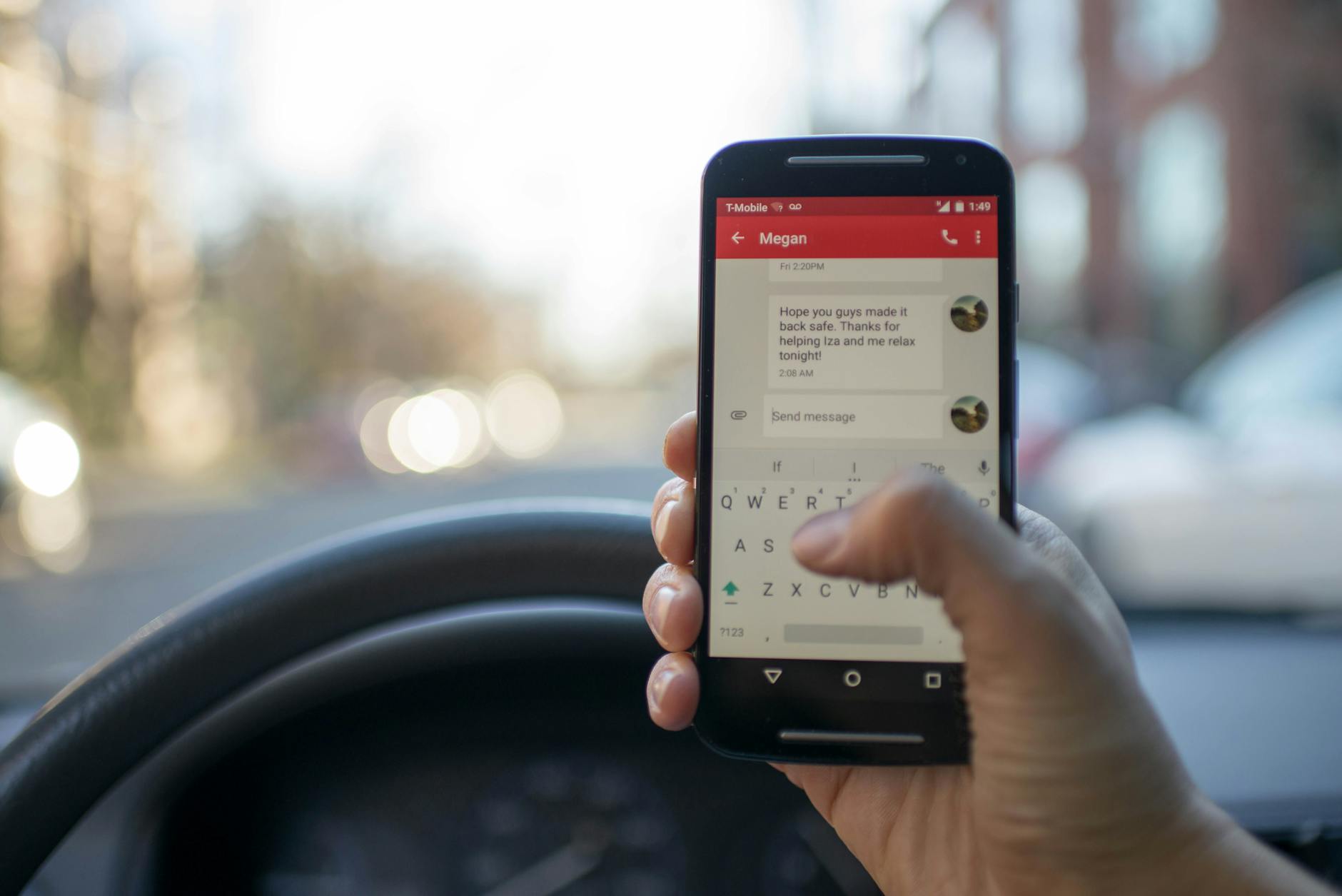 Photo by Roman Pohorecki
Stay Safe with Common Sense
- Keep valuables out of sight and lock your doors.
- Stick to well-lit, busy areas when stopping overnight or getting gas.
- Make sure your car is in good shape before you go.
- Let someone know your general route, especially for remote areas.
Modern tech also makes safety easier than ever—real-time GPS, weather alerts, and roadside assistance apps can help you avoid most trouble before it starts.
Want to feel even more confident behind the wheel? My road trip safety guide walks through everything you need to pack, prep, and expect.
If you’re concerned about conditions that change with the seasons, there are special recommendations for cold-weather drives in the Winter Road Trip Essentials guide.
Myth: You Can’t Eat Healthy on a Road Trip
Reality: A little planning goes a long way—and no, you don’t have to live off gas station snacks.
It’s true that roadside stops are full of chips and candy bars, but healthy options are easier to find than you’d think. You don’t need to overhaul your diet—just balance treats with better choices.
Why the “Junk Food Only” Myth Sticks Around
Fast food and gas station snacks are everywhere. But healthy options are easier than most people think—you just need to bring a bit of your at-home habits with you.
Easy Ways to Eat Better on the Road
- Pack smart: Cut veggies, nuts, cheese, hard-boiled eggs, and fruit travel well and keep you energized.
- Bring a cooler: It makes fresh food possible even on longer drives.
- Visit local markets: Farmers markets offer fresh finds and a fun travel stop. (Here’s how to make the most of them in my farmers market tips).
- Choose wisely at restaurants: Most chains now offer healthier items like grilled wraps, salads, or fruit sides. This CNN guide breaks down the best fast food choices by chain.

Eating well doesn’t mean skipping every treat. Mix in a few healthy staples, and you’ll feel better, spend less, and still have room for that roadside milkshake.
👉 Need snack ideas? Grab my list of healthy road trip snacks or check out some easy pre-trip recipes.
Myth: You Have to Drive for Hours Without Stopping
Reality: The best road trips are built around breaks.
One of the biggest road trip myths? That “real” road trippers power through endless miles without stopping. But after driving through all 50 states, I can tell you—breaks make the trip better. They’re good for your body, your mood, and your memory-making.

Why Frequent Stops Matter
Your road trip isn’t a race. Taking regular breaks helps you:
- Stay alert and reduce driver fatigue
- Discover roadside gems you’d otherwise miss
- Keep everyone in the car happier (and less cranky)
Experts recommend stopping every 2 hours or 100 miles. It gives you time to stretch, hydrate, and reset. Solo driver? Even more important. Tired driving is no joke—it’s as dangerous as distracted driving.
💬 Curious how often others stop? This Reddit thread dives into what real travelers do on long drives.
Make the Stops Part of the Fun
Some of my favorite trip memories happened because I pulled over:
A roadside art installation, a tiny-town bakery, a sunset at an unexpected overlook. Here’s how to turn stops into highlights:
- Use apps to find scenic or quirky pull-offs
- Plan ahead for rest areas or roadside parks
- Keep a “just in case” list of fun detours and snack stops
👉 Want to make your drive feel more like an adventure? Grab ideas from my post on how to make road trips fun.
The miles matter—but so do the pauses. Your road trip should be as much about what you see as it is about how far you go.

Myth: You’ll Spend the Whole Time Driving
Reality: A good road trip balances the drive and the fun.
Worried you’ll spend the whole trip staring at the highway? You’re not alone. But with the right route and a flexible plan, you’ll spend plenty of time exploring, not just driving.

How to Keep Driving Time in Check
- Limit daily drive time to 4–6 hours max.
- Break it up with meals, sightseeing, or short hikes.
- Stay overnight in interesting places instead of rushing through them.
The magic of road trips is that you’re in control. You choose when to stop, how far to go, and what to prioritize. Some days can be drive-heavy, others full of activities—it’s all about finding your rhythm.
💬 Travelers often agree that the sweet spot is a few hours on the road, followed by time to enjoy wherever you are.
Make the Most of Your Time Off the Road
Build in local experiences that make every stop count:
- Scenic walks, museum visits, small-town diners
- Park picnics or surprise roadside attractions
- Travel games or playlists to make drive time more fun
👉 For ideas to stay engaged between stops, check out my list of games for adults on road trips.
You don’t need to dread the drive. Plan well, stop often, and you’ll have more time out of the car than you think.
Myth: Every Road Trip Needs to Be Epic
Reality: Small trips can lead to big memories.
Thanks to movies and social media, it’s easy to think a “real” road trip has to be cross-country, bucket list-worthy, and packed with non-stop adventure. But you don’t need a coast-to-coast itinerary to have an unforgettable trip.
Why Smaller Trips Matter
Some of my most meaningful road trips were just a few hours from home. Whether it’s a weekend getaway, a scenic day drive, or a local food trail, the experience, not the mileage, matters most.
Short trips let you:
- Travel more often without the stress of a long haul
- Explore places you’ve always meant to visit
- Save money and time while still having fun
- Invite friends or family who can’t commit to longer adventures
It’s not about checking off states but enjoying the journey.

👉 Looking for inspiration? My Upper Peninsula road trip ideas (in my home state of Michigan) prove that even a few days on the road can create lasting memories.
Your trip doesn’t have to be legendary—it just has to be yours.
Myth: You Need Fancy Gear or Gadgets to Road Trip
Reality: All you really need is a reliable car and a sense of adventure.
It’s easy to think road trips require rooftop tents, high-end coolers, or the latest tech. But truthfully? Some of my favorite trips started with just a paper map, a snack stash, and an open schedule.
Skip the Hype, Pack the Basics
Most of the must-haves? You already own them:
- Phone + charger
- Cooler or snack bag
- Paper towels, wipes, and water bottles
- Comfortable clothes, a playlist, and a backup map
You don’t need to spend a fortune. Simple swaps—like using a cereal container as a trash bin or packing a blanket as a picnic mat—can do the trick just fine.
👉 For no-fuss cooler options, check out my guide to the best coolers for road trips.
Remember, the most important gear is your mindset. The best stories come from the miles—not the money spent preparing for them.
Final Thoughts: Road Trip Myths
You don’t need weeks off, fancy gear, or a rugged persona to hit the road. Road trips are flexible, fun, and totally doable—whether you’re planning a weekend escape or mapping out your next big loop.
After driving through all 50 states, I can tell you: the best road trips come from doing it your way. Forget the rules. Plan smart, stay flexible, and chase what excites you.
👉 Ready to start planning? Head to my Road Trips page for destination ideas, travel tips, and helpful resources.
Related Posts:
Adventure Planning: The Ultimate Step-By-Step Guide
Road Trip Safety Tips: Expert Guide to Road Trip Travel
20+ Road Trip Boredom Busters: Games and Activities
Ultimate Guide on How to Make a Travel Bucket List
Awesome Road Trip Themes for Epic Travel
Pin this for later:
Choose the image(s) that resonate with you to pin to your travel board on Pinterest!


Did I miss something in this post? If you think something could enhance this guide, please share it in our Facebook group, US Road Trip Adventures! Your insights help make our travel resources better for everyone.
