
How to Plan a Road Trip (Step-by-Step, Without Overthinking)
Planning a road trip sounds fun… until you actually sit down to do it. Where should you go? How long should you drive each day? What do you pack? And how do you keep it from turning into an exhausting, expensive mess?
This step-by-step road trip planning guide walks you through the big decisions in the right order.
Instead of overwhelming you with details, it helps you make informed choices first, then points you to more in-depth guides when you’re ready.
If you’re still deciding where to go, start with How to Choose the Perfect US Travel Destination, which breaks down destinations by time, season, and travel style.
If timing is your bigger concern, Best Time to Take a US Road Trip can help you avoid weather and crowd mistakes early on.
Think of this page as your road trip planning hub — the place you come back to when you need clarity.

US Road Trip Adventures
Join a group of like-minded travelers sharing road trip ideas and travel tips!
Step 1: Choose Your Road Trip Destination & Route
The most common road trip planning mistake is choosing a destination before understanding your limits.
Before you look at maps, ask yourself:
- How much time do you realistically have?
- What season are you traveling in?
- What’s your budget comfort zone?
- How many hours can you drive per day without burning out?
These answers narrow your options fast. For example, if you only have four days, a cross-country drive won’t work, but a regional loop absolutely can.
If you need inspiration that fits different time frames, Best US Road Trip Routes is a great place to explore proven routes.
If scenery matters more than speed, you’ll want to prioritize routes where the drive is part of the experience, like the ones featured in Scenic US Road Trips. Choosing a route that fits your energy level makes everything else easier.
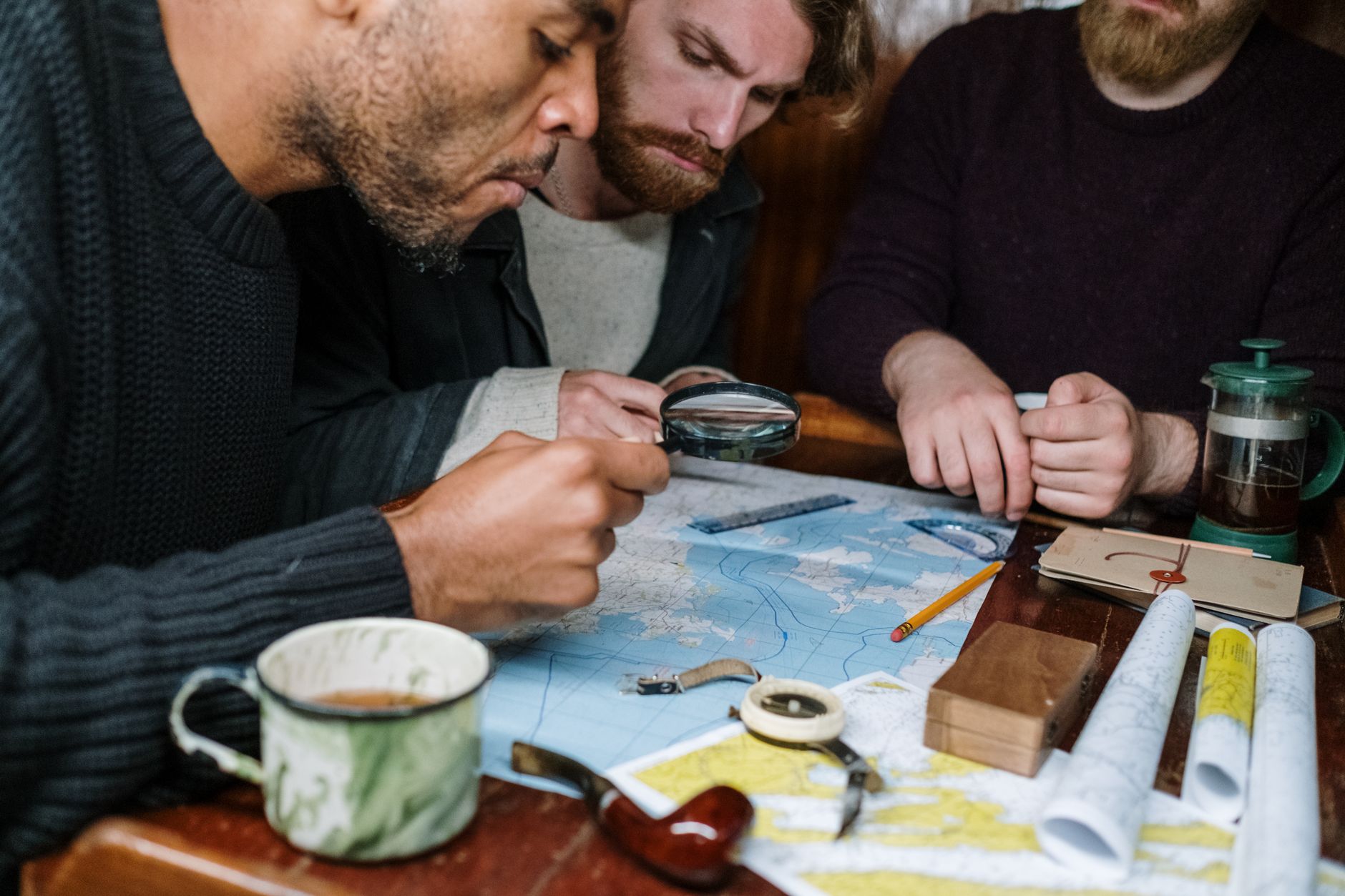 Photo by cottonbro studio
Step 2: Decide How Long Your Road Trip Should Be
Trip length is where many people get stuck, especially on their first road trip.
Here’s a realistic way to think about it:
- 1–2 days: Close-to-home trips or single-destination getaways
- 3–4 days: One main destination plus scenic stops
- 5–7 days: Regional road trips with flexibility
- 10+ days: Multi-state or cross-country routes
If this is your first time planning a road trip, shorter trips are a smart starting point. You’ll learn how much driving you enjoy and how often you need breaks.
The guide First US Road Trip Tips walks through what beginners often underestimate and how to avoid it.
Longer routes require a different mindset and pacing. If you’re dreaming big, Cross-Country Road Trips explains what those trips actually demand in time, planning, and energy.
Step 3: Plan Your Stops & Daily Driving Distance
Daily driving distance matters more than total miles.
A simple rule of thumb:
- 3–5 hours per day: Relaxed and scenic
- 5–7 hours per day: Balanced travel days
- 8+ hours per day: Only when necessary and plan recovery time
Instead of pinning attractions first, sketch your overnight stops. This helps you avoid days that look reasonable on paper but feel exhausting in real life.
If you’re following a known route, using examples from Best US Road Trip Routes can help you see how experienced road trippers break up long drives.
Route-specific guides (like Vegas to the Grand Canyon or similar loops) are especially helpful once you’re ready to fine-tune execution.
Build flexibility into your plan. Traffic, weather, park entrance lines, and spontaneous stops are part of road trip life, not failures.
🚗 Looking for inspiration? Explore these Bucket List Road Trips to turn your route into a true adventure.

Step 4: Book Accommodations (Hotels, Camping, or Both)
Where you sleep affects your budget and your energy more than almost anything else.
Most road trippers choose between:
- Hotels for comfort and easy arrivals
- Camping for lower costs and scenic locations
- A mix of both for balance
If you’re watching your budget but still want good sleep, Cheap Road Trip Accommodations can help you choose places that feel safe and comfortable without overspending.
Camping can be a great option for scenery and early park access, especially if you plan ahead. Road Trip Camping explains how to decide when camping makes sense and when a hotel night is the better call.
In destination-heavy areas, lodging guides for specific places (like Gatlinburg, Lakeland, or National Park gateway towns) can help you book strategically instead of last-minute.
Step 5: What to Pack for a Road Trip (Without Overpacking)
Packing is where many road trips go wrong, either by bringing too much or forgetting essentials.
Instead of item-by-item lists here, think in categories:
- Navigation and charging
- Comfort and sleep
- Weather layers
- Food and drinks
- Safety and emergency basics
- Seasonal gear
Once you know your route and season, use What to Pack for a Road Trip for a complete breakdown. A printable Road Trip Checklist can also help you stay organized without overthinking.
If you’re traveling in colder months, Winter Road Trip Essentials covers items that are easy to overlook but matter a lot. For food storage and flexibility, Best Coolers for Road Trips can make a noticeable difference.
Step 6: Food, Budget & Comfort on the Road
Food and comfort planning keep long drive days from feeling draining.
A few strategies that work well:
- Pack snacks and plan one real meal stop per day
- Use a cooler to save money and reduce stress
- Budget for fuel, lodging, food, and buffer expenses
- Build in comfort breaks on longer driving days
If food planning feels overwhelming, Road Trip Meal Planning and Recipes for Road Trips offer realistic, no-fuss options. For staying comfortable behind the wheel, Road Trip Comfort Tips can help prevent fatigue.
To keep spending predictable, Budgeting for a US Road Trip walks through realistic cost ranges and planning strategies.
 Photo by Maksim Goncharenok
Step 7: Tools & Apps That Make Road Trip Planning Easier
The right tools can simplify planning and help you stay flexible.
Mapping tools are especially useful when you want to visualize routes and stops. Google My Maps Trip Planner shows how to customize routes and keep everything organized in one place.
As you build experience, road trip–specific apps for navigation, gas, booking, and organization can save time and reduce stress. A full roundup lives in Best Apps for Road Trips.
Step 8: Common Road Trip Planning Mistakes
Even experienced road trippers make these mistakes:
- Packing too much
- Planning days that are too long
- Booking lodging too late
- Skipping rest days
- Underestimating weather and seasons
Many of these myths are addressed in Road Trip Myths, while Why Do Road Trips Make You Tired? explains the mental and physical side of long drives and how to plan around it.
Most road trip stress comes from over-optimizing instead of pacing. If the whole process still feels fuzzy, this guide to turning road trip dreams into a real plan helps you get unstuck.

Where to Go Next
Now that you understand the planning flow, choose your next step:
- Still deciding where to go?
→ How to Choose the Perfect US Travel Destination - Already have a route in mind?
→ Best US Road Trip Routes - Ready to pack?
→ Road Trip Checklist - Planning lodging next?
→ Cheap Road Trip Accommodations

Warning: This Guide May Eliminate Road Trip Drama
Snag your FREE Stress-Free Road Trip Guide — the ultimate sanity-saver for couples, families, and friends hitting the road. Inside, you’ll learn how to:
-End money fights before they start
-Prevent meltdowns (from kids and adults)
-Split driving and decisions without arguments
-Keep everyone happy with food, music, and space
It’s the shortcut to smooth, happy miles — plus you’ll get weekly road trip tips to make every adventure even better. Ready to plan a trip that actually feels fun?
Related Posts:
The Best Coolers for Road Trips: Stay Cool on the Road
Ice Packs vs Ice Bags: What’s Best for Road Trips?
Adventure Planning: The Ultimate Step-By-Step Guide
Road Trip Safety Tips: Expert Guide to Road Trip Travel
20+ Road Trip Boredom Busters: Games and Activities
Slow Life Travel: Embracing a More Relaxed Way of Exploring
What Is Google My Maps and Why Travelers Should Use It
Pin this for later:
Choose the image(s) that resonate with you to pin to your travel board on Pinterest!


